Der SaaS-Onboarding-Engpass, der Wachstum toetet
Jedes SaaS-Unternehmen, das die Serie A ueberlebt, laeuft irgendwann gegen dieselbe Wand: Onboarding skaliert nicht. Bei 50 Kunden kann Ihr Gruenderteam jeden Account persoenlich onboarden. Bei 500 haben Sie ein CS-Team von 5-8 Personen, das einen halbstrukturierten Prozess betreibt. Bei 2.000 ist Onboarding entweder Ihr Wettbewerbsgraben oder Ihre Wachstumsobergrenze. Es gibt keinen Mittelweg.
Die Daten sind eindeutig. Eine Gainsight-Studie von 2025 mit 1.200 B2B-SaaS-Unternehmen ergab, dass Time-to-Value der einzelne staerkste Praediktor fuer die 12-Monats-Retention ist -- staerker als Product-Market-Fit-Werte, NPS oder sogar Preiszufriedenheit. Unternehmen, deren Kunden ihren ersten Wertmeilenstein innerhalb von 7 Tagen erreichen, behalten 91 % nach 12 Monaten. Unternehmen, bei denen die Time-to-Value 21 Tage ueberschreitet, behalten nur 68 %. Der Unterschied zwischen schnellem und langsamem Onboarding ist 23 Prozentpunkte jaehrliche Retention wert -- was sich fuer jedes Unternehmen jenseits von 5 Mio. EUR ARR direkt in Millionen Euro uebersetzt.
Das Problem ist, dass manuelles Onboarding linear mit der Mitarbeiterzahl skaliert. Jeder neue Kunde erfordert einen CS-Manager, der einen Kickoff-Call durchfuehrt, die Datenmigration koordiniert, die Plattform konfiguriert, Integrationen einrichtet, Schulungssitzungen plant und Adoptionsmeilensteine ueberwacht. Bei durchschnittlichen Vollkosten von 75.000 EUR pro CS-Manager und einem tragfaehigen Verhaeltnis von 1 CS-Manager pro 80-120 Enterprise-Accounts kostet allein die Onboarding-Arbeitskraft 625-940 EUR pro Kunde fuer ein mittelkomplexes B2B-SaaS-Produkt.
Aber die Kosten sind nicht das Schlimmste -- die Latenz ist es. Wenn Ihr CS-Team kapazitaetsbeschraenkt ist, warten neue Kunden. Sie warten auf ihren Kickoff-Call (Durchschnitt: 3,5 Tage nach Vertragsunterzeichnung). Sie warten auf die Datenmigration (Durchschnitt: 8 Tage). Sie warten auf die Integrationseinrichtung (Durchschnitt: 5 Tage). Sie warten auf Schulung (Durchschnitt: 4 Tage). Zusammengezaehlt betraegt die branchenweite durchschnittliche Time-to-Value fuer Enterprise-SaaS-Onboarding 24 Tage. Das sind 24 Tage, in denen Ihr neuer Kunde -- der, fuer den Ihr Vertriebsteam 6 Monate Akquise betrieben hat -- mit einem Produkt sitzt, fuer das er bezahlt hat, das er aber nicht nutzen kann, und zunehmend skeptisch gegenueber seiner Kaufentscheidung wird.
Das Series-B+-SaaS-Unternehmen steht vor einer schmerzhaften Wahl: aggressiv ins CS-Team einstellen (wodurch Margen komprimiert werden, die Investoren genau beobachten), langsameres Onboarding akzeptieren (und die Retention sinken sehen) oder einen Weg finden, die 80 % der Onboarding-Arbeit zu automatisieren, die repetitiv, klar definiert und hochvolumig ist. Diese dritte Option ist der Punkt, an dem KI-Agenten die Oekonomie des SaaS-Betriebs transformieren.
Die vollstaendig autonome Onboarding-Journey
Ein KI-gestuetzter Onboarding-Agent ersetzt nicht Ihr CS-Team -- er uebernimmt die operative Maschinerie, damit sich Ihr CS-Team auf Beziehungsaufbau und strategische Beratung konzentrieren kann. Hier ist die vollstaendige autonome Onboarding-Journey, von der Vertragsunterzeichnung bis zur aktiven Nutzung.
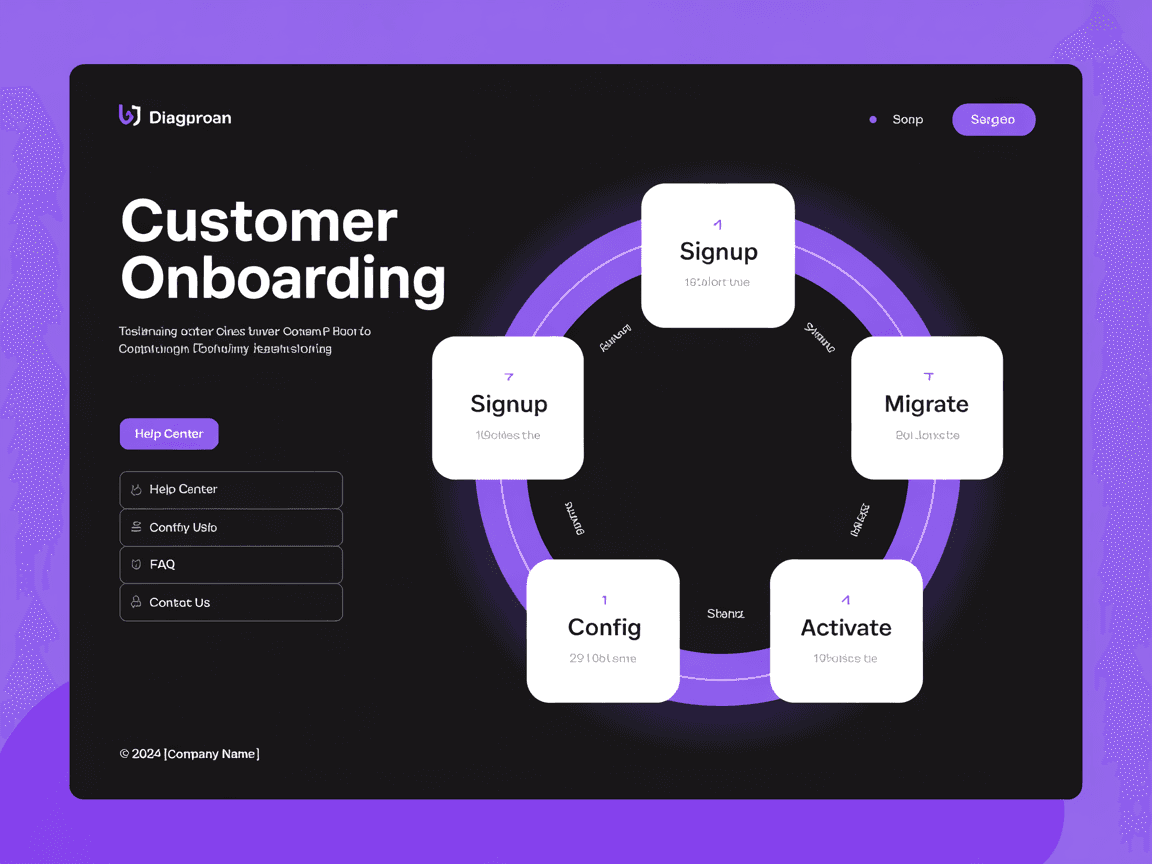
Phase 1: Account-Bereitstellung und Willkommenssequenz (Tag 0, automatisiert). Innerhalb von Minuten nach Eingang der Vertragsunterzeichnung in Ihrem Abrechnungssystem stellt der Agent den Kunden-Account bereit, wendet die korrekte Plankonfiguration basierend auf den Vertragsbedingungen an und startet eine personalisierte Willkommenssequenz. Die Willkommenssequenz ist kein generischer E-Mail-Versand -- der Agent analysiert die Branche des Kunden, die Unternehmensgroesse, den genannten Anwendungsfall aus der Vertriebsuebergabe und alle spezifischen Anforderungen, die waehrend des Vertriebsprozesses erfasst wurden, und generiert dann einen massgeschneiderten Onboarding-Plan mit spezifischen Meilensteinen und Zeitrahmen.
Phase 2: Datenmigration (Tage 1-2, agentengesteuert). Der Agent verbindet sich mit den bestehenden Systemen des Kunden -- typischerweise dem zu ersetzenden Produkt -- via API, CSV-Upload oder Datenbankexport. Er uebernimmt Schema-Mapping, Datentransformation, Validierung und Konfliktloesung. Fuer gut strukturierte Datenquellen ist die Migration vollstaendig autonom. Fuer unstrukturierte oder nicht-standardmaessige Daten identifiziert der Agent spezifische Probleme, schlaegt Loesungen vor und eskaliert nur die Entscheidungen, die er nicht autonom treffen kann. Die meisten Enterprise-Migrationen, die zuvor 8-12 Tage dauerten, werden auf 1-2 Tage komprimiert, wobei die menschliche Beteiligung auf die Genehmigung der Loesungsvorschlaege des Agenten fuer Datenkonflikte beschraenkt ist.
Phase 3: Konfiguration (Tage 1-2, automatisiert). Der Agent konfiguriert die Plattform basierend auf einer Kombination aus den genannten Anforderungen des Kunden, Branchen-Best-Practices und Mustern, die aus erfolgreichen Deployments aehnlicher Kunden gelernt wurden. Dies umfasst Benutzerrollen und -berechtigungen, Workflow-Konfigurationen, Benachrichtigungspraeferenzen, Reporting-Dashboards und Integrationseinstellungen. Der Agent generiert eine Konfigurationszusammenfassung fuer den Admin des Kunden zur Ueberpruefung und Genehmigung -- eine 10-minuetige Pruefaufgabe, die ersetzt, was zuvor 4-6 Stunden manueller Konfiguration war.
Phase 4: Integrationseinrichtung (Tage 2-3, agentengesteuert). Der Agent fuehrt den Kunden durch die Anbindung seiner bestehenden Tools -- CRM, E-Mail, Kalender, Projektmanagement, Buchhaltung -- mittels schrittweiser interaktiver Anleitung. Fuer Standard-Integrationen (Salesforce, HubSpot, Slack, Jira) uebernimmt der Agent OAuth-Flows, Feld-Mapping und initiale Synchronisation autonom. Fuer benutzerdefinierte oder nicht-standardmaessige Integrationen generiert er API-Dokumentation, stellt Code-Beispiele bereit und ueberwacht den Integrationszustand nach der Anbindung.
Phase 5: Schulung und Adoption (Tage 3-5, agentenbereitgestellt). Statt synchrone Schulungssitzungen Wochen im Voraus zu planen, liefert der Agent kontextuelle, rollenbasierte Schulung direkt im Produkt. Neue Nutzer erhalten gefuehrte Durchgaenge der fuer ihre Rolle relevanten Features, wobei der Agent Fragen in Echtzeit beantwortet und den Schulungspfad basierend auf dem Tempo und Verstaendnis des Nutzers anpasst. Der Agent verfolgt den individuellen Nutzer-Fortschritt und markiert Nutzer, die Onboarding-Meilensteine nicht abgeschlossen haben, beim CS-Manager.
Phase 6: Erfolgsmeilenstein-Tracking (Laufend, automatisiert). Der Agent ueberwacht vordefinierte Erfolgsmeilensteine -- erster Bericht erstellt, erster Workflow automatisiert, erstes Teammitglied eingeladen, erster Monat aktiver Nutzung -- und loest bei jedem Schritt entsprechende Aktionen aus: Glueckwunschnachrichten, Vorschlaege fuer naechste Schritte, Feature-Empfehlungen und CS-Manager-Alarme, wenn Meilensteine verpasst werden. Dies transformiert Onboarding von einem endlichen Projekt in eine kontinuierliche Aktivierungsengine.
Das Nettoergebnis: Ein Prozess, der 24 Tage und 8-12 Stunden CS-Manager-Zeit pro Kunde verbrauchte, wird nun in 3-5 Tagen abgeschlossen, mit 30-45 Minuten menschlicher Beteiligung, die ausschliesslich auf Beziehungsaufbau und Edge-Case-Loesung fokussiert ist.
Datenmigration und Konfiguration ohne menschliches Eingreifen
Datenmigration ist der Punkt, an dem die meisten Onboarding-Automatisierungsbemuehungen ins Stocken geraten. Eine Willkommens-E-Mail zu automatisieren ist einfach. 50.000 Kundendatensaetze von einem Legacy-CRM in ein neues System zu verschieben, ohne Datenverlust, Duplizierung oder Korruption, ist sehr schwer. In diesem Abschnitt werden wir konkret, wie KI-Agenten den schwierigsten Teil des Onboardings loesen.
Die Datenmigrationsppipeline des Agenten hat vier Phasen: Extraktion, Transformation, Validierung und Laden -- das klassische ETL-Muster, aber mit einer KI-Schicht, die die Variabilitaet bewaeltigt, die herkoemmliche ETL-Skripte fraglich macht.
Extraktion beginnt damit, dass der Agent sich mit dem Quellsystem verbindet. Fuer Systeme mit gut dokumentierten APIs (Salesforce, HubSpot, Pipedrive, Zoho) verwendet der Agent Standard-API-Konnektoren mit Paginierungshandling, Rate-Limit-Management und inkrementeller Extraktion. Fuer Systeme ohne APIs fuehrt der Agent den Kunden durch den Export seiner Daten als CSV und verwendet dann NLP, um die Spaltenheader zu parsen und das Schema abzuleiten -- wobei er die Realitaet bewaeltigt, dass eines Kunden "Firmenname" eines anderen "Org" und eines dritten "Account" ist.
Transformation ist die Phase, in der die KI-Schicht den groessten Wert liefert. Herkoemmliches ETL erfordert einen Entwickler, der fuer jedes Feld, jeden Datentyp und jeden Edge-Case explizite Mapping-Regeln schreibt. Der KI-Agent nutzt semantisches Verstaendnis, um Quellfelder automatisch auf Zielfelder zu mappen. Er erkennt, dass "Telefon" auf "Phone Number" mappt, dass "Umsatz (USD)" eine Waehrungsumrechnung benoetigt und dass "Letzter Kontakt" ein Datumsfeld ist, unabhaengig davon, ob es als "2025-12-15", "15/12/2025" oder "15. Dezember 2025" formatiert ist. In unseren Produktivdeployments mappt der Agent 92-96 % der Felder automatisch korrekt. Die verbleibenden 4-8 % werden dem Kundenadmin als einfache Zuordnungsoberflaeche praesentiert: "Wir konnten diese 7 Felder nicht automatisch zuordnen. Bitte bestaetigen oder korrigieren Sie unsere besten Vermutungen."
Validierung laeuft nach der Transformation und vor dem Laden. Der Agent prueft auf: doppelte Datensaetze (mittels Fuzzy-Matching, das "Mueller GmbH" und "Müller GmbH" als dieselbe Entitaet erkennt), Vollstaendigkeit erforderlicher Felder, referenzielle Integritaet (verweisen alle Kontaktdatensaetze auf ein gueltiges Unternehmen?), Datentypkonsistenz und Geschaeftsregelkonformitaet (haben alle E-Mail-Adressen gueltige Formate? Sind alle Telefonnummern im E.164-Format?). Validierungsfehler werden nach Schweregrad kategorisiert: kritische Fehler (Daten, die das System kaputt machen wuerden) werden blockiert und eskaliert, Warnungen (Daten, die technisch gueltig, aber verdaechtig sind) werden zur Ueberpruefung markiert, und informatorische Hinweise (automatisch angewandte geringfuegige Formatierungskorrekturen) werden protokolliert.
Laden ist die letzte Phase und umfasst Rollback-Faehigkeit. Der Agent laedt Daten in Batches mit Checkpointing, sodass bei einem Fehler bei Datensatz 35.000 von 50.000 vom Checkpoint fortgefahren werden kann, statt von vorne zu beginnen. Die Post-Load-Verifikation bestaetigt Datensatzanzahlen, validiert eine Zufallsstichprobe von Datensaetzen auf Genauigkeit und generiert einen Migrationsbericht, der zusammenfasst, was migriert, transformiert, markiert und ausgeschlossen wurde.
Die geschaeftlichen Auswirkungen sind erheblich: Datenmigrationen, die zuvor 3-5 Tage dedizierte Engineering-Zeit und 5-8 Tage Kunden-Hin-und-Her erforderten, werden nun in 4-12 Stunden mit minimaler menschlicher Beteiligung abgeschlossen. Fuer einen Kunden mit einem B2B-Projektmanagement-SaaS-Produkt reduzierte allein diese Verbesserung -- die Automatisierung der Datenmigration -- die durchschnittliche Onboarding-Zeit von 19 Tagen auf 6 Tage, bevor sie ueberhaupt einen anderen Onboarding-Schritt automatisiert hatten.
Churn-Praevention: Risikosignale erkennen, bevor es zu spaet ist
Die Gewinnung eines neuen SaaS-Kunden kostet 5-7x mehr als die Bindung eines bestehenden. Dennoch erfahren die meisten SaaS-Unternehmen erst dann von einem Churn-Risiko, wenn der Kunde nicht verlaengert -- zu einem Zeitpunkt, an dem die Beziehung bereits ueber den Punkt der Erholung hinaus verschlechtert ist. KI-Agenten veraendern die Oekonomie der Churn-Praevention, indem sie kontinuierlich Verhaltenssignale ueberwachen, die eine Kuendigung 30-45 Tage vorher vorhersagen.
Das Churn-Prognosemodell, das unsere Agenten antreibt, aggregiert fuenf Signalkategorien, jeweils gewichtet nach ihrer Prognosekraft fuer das spezifische Produkt und Kundensegment.
Nutzungsrueckgangsmuster (Gewicht: 35 %). Der staerkste Churn-Praediktor ist nicht niedrige Nutzung -- es ist ruecklaeufige Nutzung. Ein Kunde, der sich zweimal pro Woche einloggt und auf einmal pro Woche zurueckfaellt, hat ein hoeheres Risiko als ein Kunde, der sich schon immer einmal pro Woche eingeloggt hat. Der Agent verfolgt Login-Haeufigkeit, Feature-Nutzungsbreite, Dateneingabevolumen und API-Call-Muster auf Account-Basis und misst die Aenderungsrate ueber rollierende 14-Tage- und 30-Tage-Fenster. Ein anhaltender Rueckgang von ueber 30 % bei einer primaeren Nutzungsmetrik ueber 14 Tage loest eine Fruehwarnung aus.
Support-Ticket-Sentiment (Gewicht: 25 %). Nicht alle Support-Interaktionen weisen auf Churn-Risiko hin -- Feature-Anfragen und Wie-geht-das-Fragen sind gesundes Engagement. Aber wiederholte Frustration, ungeloeste Probleme und Eskalationsanfragen sind starke Signale. Der Agent fuehrt eine Sentimentanalyse bei jeder Support-Interaktion durch und verfolgt die Sentiment-Trajektorie pro Account. Ein Wechsel von neutralem/positivem zu negativem Sentiment ueber 3+ Interaktionen in 30 Tagen erhoeht den Risikowert des Accounts signifikant.
Engagement-Metriken (Gewicht: 20 %). Ueber die Kernproduktnutzung hinaus ueberwacht der Agent: E-Mail-Oeffnungsraten fuer Produktkommunikation, Teilnahme an Webinaren und Schulungssitzungen, Community-Forum-Beteiligung und Antwortquoten auf NPS-Umfragen und Check-in-Nachrichten. Disengagement ueber mehrere Kanaele -- der Kunde, der aufhoert, E-Mails zu oeffnen und aufhoert, an Webinaren teilzunehmen und nicht auf den Check-in seines CS-Managers reagiert -- ist ein maechniges zusammengesetztes Signal.
Vertrags- und Abrechnungssignale (Gewicht: 10 %). Verspaetete Zahlungen, Downgrade-Anfragen, Entfernung von Nutzern aus dem Account und Anfragen nach Datenexporten sind direkte Verhaltenssignale einer Kuendigungsueberlegung. Der Agent ueberwacht Abrechnungssystemereignisse und markiert diese sofort.
Firmografische Veraenderungen (Gewicht: 10 %). Fuehrungswechsel beim Kundenunternehmen, M&A-Aktivitaeten, Entlassungen oder strategische Neuausrichtungen koennen Churn unabhaengig von der Produktzufriedenheit ausloesen. Der Agent ueberwacht oeffentliche Datenquellen (LinkedIn, Pressemitteilungen, Bundesanzeiger-Veroeffentlichungen fuer groessere Unternehmen), um organisatorische Veraenderungen bei wichtigen Accounts zu erkennen.
Wenn das zusammengesetzte Risikomodell des Agenten einen gefaehrdeten Account identifiziert, sendet er nicht einfach einen Alarm. Er generiert einen strukturierten Interventionsplan: die spezifisch erkannten Risikosignale, empfohlenen Interventionstyp (CS-Manager-Ansprache, Executive-Sponsor-Anruf, Feature-Schulungssitzung, Preisueberpruefung oder Teilen einer Erfolgsgeschichte), auf die identifizierten Risikofaktoren zugeschnittene Gespraechspunkte und einen Zeitplan fuer die Intervention mit Eskalation, falls die initiale Kontaktaufnahme kein Engagement erzeugt.
Die Ergebnisse aus unseren Deployments sind konsistent: Churn-Praeventions-Agenten identifizieren gefaehrdete Accounts mit 78-85 % Praezision (d. h. 78-85 % der markierten Accounts haetten ohne Intervention tatsaechlich gekuendigt), und strukturierte Interventionen binden erfolgreich 35-40 % der markierten Accounts. Fuer ein SaaS-Unternehmen mit 10 Mio. EUR ARR und 8 % jaehrlichem Brutto-Churn bedeutet die Verhinderung von 35 % des Churns 280.000 EUR an bewahtem ARR pro Jahr -- was oft die gesamten Kosten des Agenten-Deployments innerhalb von Monaten amortisiert.

Revenue Operations: Pipeline-Hygiene und Prognosegenauigkeit
Revenue Operations -- die Disziplin der Ausrichtung von Vertrieb, Marketing und Customer Success auf die Umsatzgenerierung -- ertrinkt in Datenhygieneproblemen. Eine Clari-Studie von 2025 ergab, dass die CRM-Datengenauigkeit beim durchschnittlichen B2B-SaaS-Unternehmen bei 62 % liegt, was bedeutet, dass fast 4 von 10 Deal-Datensaetzen falsche Phasen, veraltete Werte oder fehlende Felder enthalten. Dieses Datenqualitaetsproblem kaskadiert in Prognoseungenauigkeit, fehlgeleitete Gebietsplanung und Umsatzverluste, die sich Quartal fuer Quartal summieren.
KI-Agenten adressieren RevOps-Schmerzen auf drei Ebenen: CRM-Datenbereinigung, Deal-Stage-Validierung und Prognosemodell-Verfeinerung.
CRM-Datenbereinigung ist die Grundlage. Der Agent prueft CRM-Datensaetze kontinuierlich gegen Geschaeftsregeln und Datenqualitaetsstandards. Deals, die laenger als die phasenspezifische SLA in derselben Phase verharren, werden markiert. Kontakte ohne juengste Aktivitaet werden fuer Re-Engagement oder Archivierung vorgemerkt. Unternehmensdatensaetze werden mittels Fuzzy-Matching dedupliziert, das Rechtschreibvariationen, Abkuerzungsunterschiede und Tochtergesellschaftsbeziehungen erkennt. Umsatzfelder werden gegen Vertragsdokumente und Abrechnungsdaten validiert. Der Agent wartet nicht auf einen vierteljaehrlichen "Datenbereinigungssprint" -- er pflegt die Hygiene kontinuierlich und verarbeitet 500-2.000 Datensatzaktualisierungen pro Tag fuer ein typisches Mittelstands-SaaS-Unternehmen.
Deal-Stage-Validierung geht ueber die Datenbereinigung hinaus in Deal-Intelligence. Der Agent bewertet, ob die aktuelle Phase jedes Deals konsistent mit der Evidenz im CRM ist. Ein Deal, der als "Muendliche Zusage" markiert ist, aber keine juengste Stakeholder-Aktivitaet, keinen unterzeichneten Rahmenvertrag und keinen identifizierten Beschaffungskontakt aufweist, ist inkonsistent -- der Agent markiert ihn und empfiehlt eine Phasenrueckstufung mit spezifischer Begruendung. Dies verhindert die Pipeline-Inflation, die Vertriebsprognosen unzuverlaessig macht. In unseren Deployments identifizieren Deal-Stage-Validierungsagenten 15-25 % der Deals als ueberstufig, was Revenue-Leadern ein akkurates Pipeline-Bild statt eines optimistischen gibt.
Prognosemodell-Verfeinerung nutzt die bereinigten Daten zur Verbesserung der Prognosegenauigkeit. Statt sich allein auf die Einschaetzung der Vertriebsmitarbeiter zu verlassen (historisch 55-65 % genau auf Quartalsebene), baut der Agent ein datengetriebenes Prognosemodell, das einbezieht: historische Phasen-zu-Abschluss-Konversionsraten nach Segment und Deal-Groesse, Aktivitaetsmuster, die mit dem Abschluss korrelieren (Stakeholder-Engagement, Dokumentenaustausch, technische Evaluierungsabschluesse), makrooekonomische Signale, die fuer die Branche des Kunden relevant sind, und saisonale Muster, die spezifisch fuer das Produkt und den Markt sind. Der Agent generiert eine woechentliche Prognose neben der traditionellen Rep-basierten Prognose, und ueber die Zeit konvergieren die beiden, wenn die Reps den Daten zu vertrauen lernen.
Der RevOps-Agent automatisiert auch das Aktivitaets-Logging -- die Geissel jedes Vertriebsmitarbeiters. Durch Integration mit E-Mail, Kalender und Kommunikationstools protokolliert der Agent automatisch Anrufe, Meetings, E-Mails und Dokumentenfreigaben in den relevanten CRM-Datensaetzen. Dies eliminiert die 4-6 Stunden pro Woche, die Vertriebsmitarbeiter fuer administrative CRM-Updates aufwenden (laut Salesforces eigener Forschung), und stellt sicher, dass die Daten, die der Agent fuer Stage-Validierung und Prognosen verwendet, vollstaendig und aktuell sind.
Fuer SaaS-Unternehmen jenseits von 5 Mio. EUR ARR sind die Umsatzauswirkungen sauberer Pipeline-Daten und genauer Prognosen erheblich. Ein Kunde berichtete, dass seine Quartalsprognosegenauigkeit sich innerhalb von zwei Quartalen nach dem Deployment eines RevOps-Agenten von 58 % auf 84 % verbesserte, was zuversichtlichere Investitionsentscheidungen und eine Reduktion der Cashflow-Ueberraschungen ermoeglichte, die CFOs nachts wach halten.
Fallstudie: Von 24-Tage- zu 3-Tage-Onboarding
Theorie und Architektur sind nuetzlich, aber SaaS-Leader wollen Ergebnisse von Unternehmen wie dem ihren sehen. Hier ist eine detaillierte Fallstudie aus einem Deployment, das wir 2025 abgeschlossen haben.
Das Unternehmen: Ein europaeisches Series-B-SaaS-Unternehmen, das Supply-Chain-Management-Software fuer mittelstaendische Hersteller anbietet. 500 Enterprise-Kunden, 12 Mio. EUR ARR, 22 % jaehrliches Wachstum. Das Produkt erfordert erhebliche Konfiguration und Datenmigration waehrend des Onboardings -- Kunden migrieren von Tabellenkalkulationen, Legacy-ERP-Modulen oder konkurrierenden Plattformen.
Das Problem: Die durchschnittliche Onboarding-Zeit betrug 24 Tage. Sie hatten 8 CS-Manager, die Onboarding und laufenden Support fuer 500 Accounts betreuten (Verhaeltnis: 1:62). Trotz des relativ guten Verhaeltnisses verbrachten CS-Manager 70 % ihrer Zeit mit operativen Onboarding-Aufgaben (Koordination der Datenmigration, Konfiguration, Integrations-Fehlersuche) und nur 30 % mit strategischem Kundenengagement. Die 90-Tage-Retention lag bei 76 % -- besorgniserregend fuer ein Produkt mit hohen Wechselkosten. Exit-Interviews mit abgewanderten Kunden nannten konsistent langsames Onboarding und Schwierigkeiten, Wert aus der Plattform zu ziehen, als Hauptgruende.
Die Loesung: Wir haben drei verbundene KI-Agenten deployed: einen Onboarding-Agenten (fuer Datenmigration, Konfiguration und gefuehrte Schulung), einen Churn-Praeventions-Agenten (zur Ueberwachung von Nutzungsmustern und Engagement-Signalen) und einen leichtgewichtigen RevOps-Agenten (zur Pflege der CRM-Hygiene und Protokollierung von CS-Aktivitaeten).
Implementierungszeitplan: 6 Wochen vom Kickoff bis zur Produktion, gemaess unserem Sechs-Wochen-Playbook. Woche 1-2: Systemintegration und Datenpipeline-Aufbau. Woche 3: Shadow-Mode-Deployment mit 100 % menschlicher Ueberpruefung. Woche 4: Selektive Autonomie fuer risikoarme Onboarding-Aufgaben. Woche 5: Erweiterte Autonomie basierend auf Shadow-Mode-Daten. Woche 6: Vollstaendiges Produktivdeployment mit Aufsichts-Dashboards.
Ergebnisse nach 90 Tagen im Produktivbetrieb:
- Durchschnittliche Onboarding-Zeit: 24 Tage auf 3,2 Tage (87 % Reduktion)
- CS-Manager-Verhaeltnis: 1:62 auf 1:285 (dieselben 8 CS-Manager decken nun effektiv das Aequivalent von 2.280 Accounts auf dem vorherigen Engagement-Niveau ab)
- CS-Manager-Zeit fuer strategisches Engagement: 30 % auf 75 % (operative Aufgaben vom Agenten uebernommen)
- 90-Tage-Retention: 76 % auf 94 % (18-Punkte-Verbesserung)
- NPS-Wert: 34 auf 52 (18-Punkte-Verbesserung)
- Datenmigrationsfehler, die manuelle Korrektur erfordern: 12 % auf 1,8 % (die Validierungspipeline des Agenten erkennt Fehler, die Menschen uebersehen haben)
Ergebnisse nach 12 Monaten im Produktivbetrieb:
- Netto-Revenue-Retention: 102 % auf 118 % (getrieben durch schnelleres Onboarding, das schnellere Expansion ermoeglicht)
- Expansionsumsatz, der Agenten-gesteuertem Adoptions-Nudging zugeschrieben wird: 840.000 EUR (das Meilenstein-Tracking des Onboarding-Agenten identifizierte Expansionsmoeglichkeiten und leitete sie an CS-Manager weiter)
- CS-Team-Staerke: unveraendert bei 8, unterstuetzt jetzt 680 Accounts (organisches Wachstum ohne Einstellungen absorbiert)
- Churn-Praeventions-Agent: 94 gefaehrdete Accounts markiert, bei 89 interveniert, 38 gehalten (43 % Rettungsquote, was rund 570.000 EUR an bewahtem ARR entspricht)
Gesamtinvestition: rund 180.000 EUR im ersten Jahr (Implementierung + Betrieb). Gesamter messbarer Impact: rund 1,9 Mio. EUR an bewahtem und expandiertem ARR. Amortisationszeitraum: 5 Wochen.
Die Zusammenfassung des CFO in einer Board-Praesentation: "Wir haben weniger als die Kosten von zwei CS-Managern ausgegeben und den Output-Aequivalent von vierzehn erhalten."
HubSpot-, Salesforce- und Intercom-Integrationsmuster
SaaS-Operations-Agenten sind nur so gut wie ihre Integrationen mit den Tools, die Ihr Team bereits nutzt. Die Integrationsarchitektur ist entscheidend, weil SaaS-Operations Echtzeit-Datenfluesse zwischen 5-10 Systemen umfassen, und Latenz oder Dateninkonsistenz an jedem Punkt den autonomen Workflow unterbricht. Hier sind die spezifischen Muster, die wir fuer die drei haeufigsten SaaS-Stack-Komponenten verwenden.
HubSpot-Integration dient sowohl als CRM-Datenquelle als auch als Automatisierungs-Ausfuehrungsschicht. Der Agent verbindet sich ueber HubSpots V3-API mittels OAuth2 mit granulaeren Scopes -- wir fordern nur die Scopes an, die der Agent benoetigt (Kontakte, Unternehmen, Deals, Engagements, Automatisierung), statt vollen Admin-Zugriff. Fuer Echtzeit-Ereignisverarbeitung abonniert der Agent HubSpot-Webhooks fuer Kontakterstellung, Deal-Stage-Aenderungen und Formulareinreichungen. Das kritische Muster hier ist idempotente Webhook-Verarbeitung: HubSpot sendet gelegentlich doppelte Webhooks, und der Agent muss dies grazious handhaben, ohne doppelte Datensaetze zu erstellen oder doppelte Workflows auszuloesen. Wir implementieren dies mit einem Webhook-Deduplizierungs-Cache (Redis-basiert, 24-Stunden-TTL auf Ereignis-IDs).
Fuer den Onboarding-Agenten speziell ermoeglicht die HubSpot-Integration: automatische Lifecycle-Stage-Progression bei Abschluss von Onboarding-Meilensteinen, Aktivitaets-Timeline-Updates, die CS-Managern volle Transparenz ueber die Aktionen des Agenten bei jedem Account geben, und Workflow-Enrollment-Trigger, die Onboarding-Sequenzen basierend auf Deal-Closed-Won-Ereignissen starten.
Salesforce-Integration folgt einem anderen architektonischen Muster aufgrund der Plattformkomplexitaet von Salesforce. Wir verwenden die Salesforce Bulk API 2.0 fuer Datensynchronisation (Handhabung der hohen Volumina, die CRM-Bereinigungsagenten erfordern), die REST API fuer Echtzeit-Datensatzoperationen und Salesforce Platform Events fuer ereignisgesteuerte Verarbeitung. Die architektonische Schluesselentscheidung bei Salesforce ist Konfliktloesung: Wenn der Agent und ein menschlicher Vertriebsmitarbeiter gleichzeitig denselben Datensatz aktualisieren, wessen Aenderung gewinnt? Unser Muster verwendet zeitstempelbasierte Konfliktloesung mit Feldebenen-Granularitaet -- der Agent weicht menschlichen Aenderungen bei Beziehungsfeldern (Deal-Stage, naechste Schritte, Notizen) nach, hat aber Prioritaet bei Datenqualitaetsfeldern (Unternehmensgroesse, Branchenklassifizierung, Kontaktinformationsvalidierung).
Salesforces Governor-Limits erfordern sorgfaeltiges Engineering. Der Agent batchet API-Aufrufe, um innerhalb der taeglichen API-Aufruf-Limits zu bleiben (typischerweise 100.000 fuer Enterprise Edition), verwendet Composite-API-Anfragen zur Reduktion der Aufrufanzahl und implementiert exponentielles Backoff fuer Rate-Limit-Antworten. Fuer grossflaechige CRM-Bereinigungsoperationen plant der Agent Massenoperationen waehrend der Nebenzeiten, um die Leistung des Vertriebsteams nicht zu beeintraechtigen.
Intercom-Integration ist der primaere Kanal fuer kundenseitige Onboarding-Interaktionen. Der Agent verwendet Intercoms Conversations API zur Verwaltung von Onboarding-Chat-Flows, die Articles API zur kontextuellen Einblendung relevanter Hilfeinhalte und die Events API zur Verfolgung von Kundenverhaltens-Signalen fuer die Churn-Praedikation. Das kritische Muster fuer Intercom ist nahtlose Uebergabe: Wenn der Agent feststellt, dass eine Kundeninteraktion menschliche CS-Beteiligung erfordert (komplexes technisches Problem, Eskalationsanfrage oder Expansionsmoeglichkeit), transferiert er die Konversation an den zustaendigen CS-Manager mit vollstaendigem Kontext -- nicht nur die aktuelle Konversation, sondern den Onboarding-Fortschritt des Kunden, Nutzungsdaten und Risikowert. Der CS-Manager sieht eine strukturierte Zusammenfassung, kein rohes Chat-Protokoll.
Die Datensynchronisationsstrategie ueber alle drei Systeme folgt einer ereignisgesteuerten Architektur mit eventueller Konsistenz. Jedes System wird als Quelle der Wahrheit fuer seine Domaene behandelt: HubSpot oder Salesforce fuer CRM-Daten, Intercom fuer Konversationsdaten und die Produktdatenbank fuer Nutzungsdaten. Der Agent pflegt ein einheitliches Kundenprofil, das Daten aus allen Quellen aggregiert, abgeglichen in nahezu Echtzeit durch Ereignisstroeme. Diese Architektur stellt sicher, dass der Churn-Praeventions-Agent, wenn er ein Risikosignal in den Nutzungsdaten erkennt, sofortigen Zugang zum neuesten CRM-Status und zur Support-Konversationshistorie des Kunden hat -- was kontextreiche Interventionsempfehlungen ermoeglicht.
SaaS-spezifische Metriken: Agenten-Impact auf den ARR messen
SaaS-Fuehrungskraefte interessieren sich nicht fuer Automatisierungsraten oder Token-Kosten. Sie interessieren sich fuer ARR, NRR, CAC-Payback und LTV:CAC-Verhaeltnisse. Die Messung des KI-Agenten-Impacts erfordert die Uebersetzung operativer Verbesserungen in die finanziellen Metriken, die SaaS-Bewertungen bestimmen.
Time-to-Value (TTV) ist die primaere Onboarding-Metrik. Messen Sie sie als die Anzahl der Tage von der Vertragsunterzeichnung bis zum ersten Wertmeilenstein des Kunden -- dem spezifischen Ereignis, das anzeigt, dass der Kunde einen bedeutsamen Nutzen aus dem Produkt zieht. Dies muss pro Produkt definiert werden (erster Bericht erstellt, erster Workflow automatisiert, erste Integration verarbeitet Daten) und konsistent verfolgt werden. Der Impact des Agenten: typische TTV-Reduktion von 18-30 Tagen auf 3-7 Tage. Diese Metrik sagt direkt eine Retentionsverbesserung vorher.
90-Tage-Retentionsrate erfasst den nachgelagerten Impact schnelleren Onboardings. Messen Sie den Prozentsatz der Kunden, die 90 Tage nach Vertragsunterzeichnung aktiv bleiben (definiert durch Mindestnutzungsschwellenwerte, nicht nur Vertragsstatus). Vergleichen Sie Kohorten: Onboarding vor dem Agenten versus Onboarding nach dem Agenten. In unseren Deployments liegt die 90-Tage-Retentionsverbesserung bei 12 bis 22 Prozentpunkten. Jeder Prozentpunkt Verbesserung der 90-Tage-Retention korreliert mit rund 0,6 Prozentpunkten Verbesserung der jaehrlichen Bruttoretention.
CS-Team-Hebel-Verhaeltnis misst die operative Effizienz: die Anzahl der Accounts, die ein CS-Manager effektiv unterstuetzen kann. "Effektiv" ist der Schluessel -- die Metrik ist bedeutungslos, wenn die Qualitaet sinkt. Definieren Sie Qualitaetsschwellenwerte (NPS, CSAT, Expansionsrate pro CSM) und messen Sie den Hebel bei konstanter Qualitaet. Unsere Kunden sehen typischerweise eine 2,5-4-fache Verbesserung des Hebel-Verhaeltnisses, was bedeutet, dass dieselbe CS-Teamgroesse 2,5-4x mehr Kunden unterstuetzen kann, ohne Verschlechterung der Kundenergebnisse.
Netto-Revenue-Retention (NRR) ist die Metrik, die SaaS-Investoren am meisten interessiert. Sie erfasst Expansionsumsatz, Kontraktion und Churn in einer einzigen Zahl. KI-Agenten beeinflussen NRR durch drei Mechanismen: reduzierter Brutto-Churn (Churn-Praeventions-Agent), erhoehter Expansionsumsatz (das Meilenstein-Tracking des Onboarding-Agenten identifiziert Expansionsmoeglichkeiten frueher) und reduzierte Kontraktion (Nutzungsanalysen erkennen Unterauslastung und loesen Re-Engagement aus, bevor Downgrade-Diskussionen beginnen). Messen Sie NRR monatlich und attribuieren Sie den Agenten-Impact durch Vergleich der NRR-Trajektorie mit der Pre-Agent-Baseline, kontrolliert fuer Saisonalitaet und Marktbedingungen.
Agenten-attribuierter Expansionsumsatz verdient eine eigene Metrik, weil er der ueberraschendste Werttreiber fuer die meisten SaaS-Unternehmen ist. Wenn der Onboarding-Agent Erfolgsmeilensteine verfolgt und erkennt, dass ein Kunde seine initialen Ziele erreicht hat, identifiziert er Expansionsmoeglichkeiten: zusaetzliche Seats, Premium-Features oder neue Anwendungsfaelle. Diese Moeglichkeiten werden mit spezifischen Empfehlungen an CS-Manager weitergeleitet. Verfolgen Sie den Umsatz aus Deals, bei denen der Agent die Moeglichkeit aufgedeckt hat, und vergleichen Sie ihn mit der organischen Expansions-Identifikationsrate des CS-Teams.
Kostenmetriken runden das Bild ab. Verfolgen Sie: Gesamte Agentenkosten pro Kunde (monatliche Infrastruktur-, Betriebs- und amortisierte Implementierungskosten geteilt durch aktive Kunden), Kosten pro ongeboardetem Kunden (Agentenkosten waehrend der Onboarding-Periode geteilt durch ongeboardete Kunden) und Kosten pro gehaltenem Kunden (Kosten des Churn-Praeventions-Agenten geteilt durch erfolgreich gehaltene Kunden). Vergleichen Sie diese mit den aequivalenten menschlichen Kosten, um die ROI-Zahlen zu generieren, die die fortgesetzte Investition rechtfertigen.
Fuer ein SaaS-Unternehmen mit 10 Mio. EUR ARR sieht der zusammengesetzte finanzielle Impact eines gut deployteten Operations-Agenten-Stacks typischerweise so aus: 200.000-400.000 EUR an bewahtem ARR durch Churn-Praevention, 300.000-800.000 EUR an beschleunigtem Expansionsumsatz durch schnelleres Onboarding und proaktive Moeglichkeitsidentifikation, und 150.000-300.000 EUR an CS-Team-Kostenvermeidung (Wachstum absorbiert ohne proportionale Einstellungen). Gegenueber einer Gesamt-Agenten-Investition von 150.000-250.000 EUR pro Jahr entspricht dies einem 3-5-fachen jaehrlichen ROI -- einer der renditesstaerksten KI-Investitionen fuer SaaS-Betreiber.
Um zu erkunden, wie diese Metriken auf Ihren spezifischen SaaS-Betrieb zutreffen wuerden, kontaktieren Sie unser Team fuer eine kostenlose ARR-Impact-Bewertung.