Warum die Fertigung die naechste Grenze fuer KI-Agenten ist
Die Fertigung ertrinkt in Daten und hungert nach Entscheidungen. Eine einzelne Automobilproduktionslinie erzeugt rund 70 Terabyte an Sensordaten pro Monat -- Vibrationsmessungen, Temperaturprofile, Drehmomentmessungen, visuelle Inspektionen, Energieverbrauchskennzahlen. Multipliziert man das mit einer typischen Fabrik mit 8-12 Linien, kommt man auf nahezu 1,9 Petabyte Daten pro Jahr. Doch laut McKinseys 2025 Industrial Digitization Report sind weniger als 5 % der operativen Entscheidungen in der Fertigung automatisiert. Der Rest haengt immer noch von Schichtleitern ab, die Dashboards ablesen, von Instandhaltungsingenieuren, die planmaessige Kalender abarbeiten, und von Qualitaetspruefern, die Teile unter Neonlicht begutachten.
Diese Kluft zwischen Datengenerierung und Entscheidungsautomatisierung ist der Punkt, an dem KI-Agenten transformativen Wert schaffen. Im Gegensatz zu herkoemmlicher Automatisierung -- die vordefinierte Regeln ausfuehrt -- denken Agenten ueber Daten nach, treffen kontextbezogene Entscheidungen und fuehren Aktionen ueber mehrere Systeme hinweg aus. Ein Qualitaetspruefungsagent markiert nicht nur einen Fehler. Er analysiert das Fehlermuster, korreliert es mit vorgelagerten Prozessparametern, passt Maschineneinstellungen an, um Wiederholungen zu verhindern, und protokolliert die gesamte Entscheidungskette fuer die Auditkonformitaet. Das ist eine grundlegend andere Faehigkeit als ein Computer-Vision-Modell, das ein binaeres Gut/Schlecht ausgibt.
Der Markt spiegelt diese Chance wider. Der globale KI-in-der-Fertigung-Markt soll laut MarketsandMarkets bis 2028 auf 4,1 Milliarden US-Dollar wachsen, mit einer jaehrlichen Wachstumsrate von 24,3 %. Aber die eigentliche Geschichte ist nicht die Marktgroesse -- es ist die Konzentration des Werts. Fruehe Anwender im deutschen Automobilsektor berichten ueber einen 3-7-fachen ROI innerhalb der ersten 18 Monate nach Agent-Deployment, hauptsaechlich getrieben durch Qualitaetsverbesserungen, Stillstandsreduktion und Supply-Chain-Effizienz.
Die deutsche Fertigung ist aus drei Gruenden besonders gut positioniert, von KI-Agenten zu profitieren. Erstens ist die Dateninfrastruktur bereits vorhanden. Die meisten Tier-1- und Tier-2-Zulieferer haben in den letzten zehn Jahren massiv in Sensornetzwerke, MES-Systeme und industrielle IoT-Plattformen investiert. Das fehlende Element ist nicht die Datenerfassung -- es ist die datenbasierte Entscheidungsfindung. Zweitens erfordert das regulatorische Umfeld eine Rueckverfolgbarkeit und Dokumentation, die Agenten naturgemaess bieten. Jede Entscheidung, die ein Agent trifft, wird protokolliert, ist rueckverfolgbar und prueffaehig -- eine natuerliche Passung fuer IATF 16949 und VDA 6.3 Anforderungen. Drittens wird der Arbeitsmarkt enger. Der deutsche Fertigungssektor steht laut DIHK bis 2027 vor einem Mangel von rund 137.000 Fachkraeften, was die Automatisierung routinemaessiger Entscheidungsfindung nicht nur zu einem Wettbewerbsvorteil, sondern zu einer Ueberlebensstrategie macht.
Bei Korvus Labs haben wir produktive KI-Agenten in der Automobil-, Praezisions- und Chemiefertigung im Einsatz. Das Muster ist konsistent: Mit einem hochwertigem, gut instrumentiertem Prozess starten, einen fokussierten Agenten deployen, den ROI innerhalb von 90 Tagen nachweisen und dann skalieren. Der Shopfloor ist nicht nur bereit fuer KI-Agenten -- er ist ueberfaellig.
Autonome Qualitaetspruefung: Jenseits von Computer Vision
Herkoemmliche Computer Vision in der Fertigungsqualitaetspruefung funktioniert -- bis zu einem gewissen Punkt. Ein gut trainiertes Convolutional Neural Network kann Oberflaechenfehler, Massabweichungen und Montagefehler mit einer Genauigkeit von 92-96 % bei standardisierten Teilen erkennen. Aber Genauigkeit ist nur die halbe Gleichung. Die andere Haelfte ist, was nach der Fehlererkennung passiert. In den meisten Fabriken lautet die Antwort: Ein menschlicher Bediener ueberprueft den Alarm, entscheidet, ob die Linie gestoppt werden soll, passt Parameter manuell an und erstellt einen Bericht. Dieser Reaktionszyklus dauert im Durchschnitt 4-15 Minuten. Bei 200.000 Teilen pro Tag kann selbst eine 5-minuetige Reaktionsverzoegerung bei einem kritischen Fehler bedeuten, dass 80-120 fehlerhafte Teile nachgelagerte Prozesse erreichen.
KI-Agenten transformieren die Qualitaetspruefung von einem Erkennungsproblem in eine autonome Entscheidungs- und Handlungsschleife. Der Agent sieht den Fehler nicht nur -- er analysiert ihn. Wenn ein Kratzmuster auf einem gestanzten Metallbauteil auftaucht, korreliert der Agent die Fehlersignatur mit Werkzeugverschleissdaten, Pressenkraftvariationen, Niederhalterkraft-Messwerten und Materialeigenschaften der Charge. Er bestimmt die Grundursache -- etwa einen Anstieg des Werkzeugspiels um 2,3 % durch fortschreitenden Verschleiss -- und ergreift Korrekturmassnahmen: Anpassung der Pressenparameter in Echtzeit, Planung der Werkzeugwartung beim naechsten geplanten Umruestvorgang und Aktualisierung der Qualitaetsdokumentation im MES-System. All dies geschieht in unter 800 Millisekunden.
Die Architektur fuer die autonome Qualitaetspruefung umfasst drei Agentenkomponenten, die im Zusammenspiel arbeiten. Der Wahrnehmungsagent verarbeitet visuelle Daten von Hochgeschwindigkeitskameras (typischerweise 4-8 Kameras pro Pruefstation, mit 120-500 fps je nach Liniengeschwindigkeit) und erzeugt strukturierte Fehlerbeobachtungen -- nicht nur "Fehler erkannt", sondern "linearer Kratzer, 0,3 mm Breite, 12 mm Laenge, 15 Grad zur Walzrichtung orientiert, in Zone B3 der Teiloberflaeche lokalisiert." Der Schlussfolgerungsagent nimmt diese Beobachtungen auf, fragt historische Fehlerdatenbanken, Prozessparameter-Protokolle und Materialspezifikationen ab, um die wahrscheinliche Grundursache und die optimale Korrekturmassnahme zu ermitteln. Der Ausfuehrungsagent implementiert die Korrekturmassnahme -- Anpassung der SPS-Parameter, Aktualisierung des MES, Benachrichtigung des Schichtleiters, falls eine menschliche Genehmigung fuer Parameteraenderungen jenseits vordefinierter Sicherheitsgrenzen erforderlich ist.
Diese Drei-Agenten-Architektur erreicht in unseren Produktivbereitstellungen eine Fehlererkennungsrate von 99,4 % gegenueber 94,2 % bei eigenstaendigen Computer-Vision-Modellen. Aber der wahre Wert liegt nicht in der 5,2-Prozentpunkte-Verbesserung der Erkennung -- sondern in der 73%igen Reduktion der Fehler-Wiederholung. Indem die Schleife von der Erkennung zur Korrektur autonom geschlossen wird, eliminiert der Agent die Kategorie von Fehlern, die durch verzoegerte menschliche Reaktion auf sich entwickelnde Prozessdrift verursacht werden.
Das Human-in-the-Loop-Design ist hier entscheidend. Agenten operieren mit voller Autonomie fuer Parameteranpassungen innerhalb validierter Sicherheitsbereiche (typischerweise plus/minus 5-8 % der Nominalwerte). Anpassungen jenseits dieser Bereiche loesen einen menschlichen Genehmigungsworkflow aus -- der Agent praesentiert seine Analyse, die empfohlene Massnahme und den Konfidenzgrad dem Schichtleiter ueber eine mobile Schnittstelle, der mit einem einzigen Tippen genehmigen, aendern oder ablehnen kann. In unseren Deployments werden rund 94 % der Agentenempfehlungen ohne Aenderung genehmigt, und die durchschnittliche menschliche Reaktionszeit fuer eskalierte Entscheidungen betraegt 23 Sekunden.
Agenten fuer vorausschauende Wartung: Von planmaessig zu zustandsbasiert
Planmaessige Wartung ist ein Relikt aus der Vor-Daten-Aera. Lager alle 6.000 Stunden zu wechseln, unabhaengig vom tatsaechlichen Zustand, bedeutet, dass man sie entweder zu frueh ersetzt (Verschwendung von Teilen und Arbeit) oder zu spaet (was ungeplante Stillstaende verursacht). Die Zahlen sprechen fuer sich: Ungeplante Stillstaende in der Automobilfertigung kosten laut Aberdeen Groups 2025 Benchmark durchschnittlich 22.000 US-Dollar pro Minute. Ein einziger ungeplanter Pressenausfall kann sich auf den gesamten Produktionsplan auswirken, Lieferungen an OEM-Kunden verzoegern und vertragliche Strafklauseln ausloesen, die in die Hunderttausende Euro gehen.
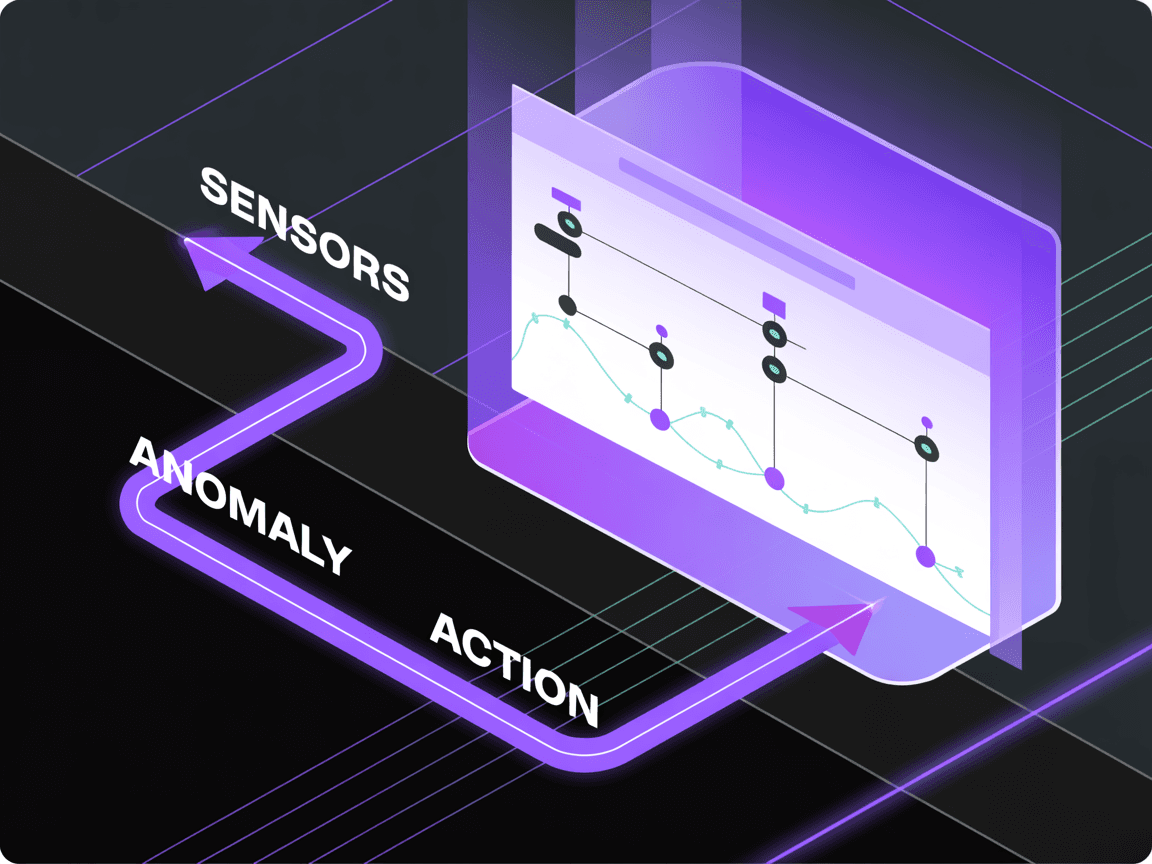
Vorausschauende Wartung wird seit einem Jahrzehnt diskutiert, aber die meisten Implementierungen bleiben in der Phase des "Alarmierens" stecken -- sie prognostizieren, dass ein Ausfall moeglicherweise auftritt, zeigen eine Warnung auf einem Dashboard an und ueberlassen es dem Wartungsteam, den Rest herauszufinden. KI-Agenten gehen weit ueber das Alarmieren hinaus. Ein Agent fuer vorausschauende Wartung ueberwacht kontinuierlich Sensordatenstroeme (Vibration, Temperatur, akustische Emission, Stromaufnahme, Druck, Durchflussraten), erstellt und aktualisiert Degradationsmodelle fuer jedes einzelne Geraet, prognostiziert die Restnutzungsdauer mit Konfidenzintervallen, plant die Wartung zur Minimierung der Produktionsauswirkungen, prueft die Teileverfuegbarkeit im Lagerverwaltungssystem, generiert Arbeitsauftraege im CMMS und -- falls ein kritisches Teil nicht auf Lager ist -- loest eine Beschaffungsanfrage beim Lieferanten aus.
Die Sensordaten-Pipeline ist das Fundament. Ein typisches CNC-Bearbeitungszentrum erzeugt Daten von 12-18 Sensoren: Spindelvibration (3-Achsen-Beschleunigungsmesser bei 25,6 kHz Abtastrate), Spindelmotorstrom, Kuehlmitteldurchfluss und -temperatur, Achspositionsencoder, Werkzeughalter-Spannkraft und akustische Emissionssensoren. Das Edge-Computing-Modul des Agenten verarbeitet diesen Rohdatenstrom lokal und extrahiert 47 berechnete Merkmale pro Sensor pro Sekunde -- RMS-Amplitude, Kurtosis, Crest-Faktor, Spektralentropie, Lagerschadenfrequenzen (BPFO, BPFI, BSF, FTF). Diese Merkmale werden an die Schlussfolgerungsengine des Agenten gestreamt, die einen digitalen Zwilling des Gesundheitszustands jeder Maschine pflegt.
Die Ergebnisse aus Produktiveinsaetzen sind bei unseren Fertigungskunden konsistent. Reduktion ungeplanter Stillstaende von 38-52 % (Durchschnitt: 45 %). Verbesserung der mittleren Betriebsdauer zwischen Ausfaellen (MTBF) um 28 %. Wartungskostenreduktion von 18-24 % -- obwohl haeufigere, kleinere Eingriffe durchgefuehrt werden, vermeidet man die katastrophalen Ausfaelle, die teure Komponenten zerstoeren. Verlaengerung der Anlagenlebensdauer um 18-25 %, weil Degradation frueh erkannt und behandelt wird, bevor sie Folgeschaeden verursacht.
Ein entscheidendes Designprinzip: Der Wartungsagent muss Produktionsplaene verstehen, nicht nur den Anlagenzustand. Einen Lagerschaden in 72 Stunden vorherzusagen ist nuetzlich. Den Austausch waehrend eines geplanten Umruestvorgangs in 48 Stunden zu planen -- statt einen kritischen Produktionslauf zu unterbrechen -- ist das, was den Agenten wirklich wertvoll macht. Unsere Agenten integrieren sich mit Produktionsplanungssystemen (SAP PP, Siemens Opcenter oder kundenspezifischem MES), um das Wartungstiming gegen Produktionsprioritaeten, Kundenlieferverpflichtungen und verfuegbare Wartungskapazitaeten zu optimieren.
Die Compliance-Dimension ist ebenfalls relevant. In der Automobilfertigung muss jede Wartungsmassnahme gemaess IATF 16949 dokumentiert werden. Der Agent generiert automatisch Wartungsprotokolle, die enthalten: Geraete-ID, vorhergesagter Fehlermodus, Konfidenzgrad, Zusammenfassung der Sensordaten, ergriffene Korrekturmassnahme, ausgetauschte Teile, Ergebnisse der Nachpruefung und die Identitaet der Person, die die Massnahme genehmigt hat (fuer genehmigungspflichtige Aktionen). Diese Dokumentation ist standardmaessig auditfaehig -- kein manueller Papierkram erforderlich.
Supply-Chain-Orchestrierung: Multi-Agent-Koordination
Supply-Chain-Management in der Fertigung ist von Natur aus ein Multi-Agent-Problem. Kein einzelner Algorithmus oder kein einzelnes Modell kann gleichzeitig ueber Bedarfsprognose, Bestandsmanagement, Logistikplanung und Lieferantenkoordination optimieren -- die Domaenen sind zu unterschiedlich, die Datenquellen zu vielfaeltig, die Entscheidungszeitraeume zu verschieden. Was Sie brauchen, ist ein Team spezialisierter Agenten, die ihre Entscheidungen koordinieren, relevante Informationen teilen und Konflikte durch strukturierte Verhandlungsprotokolle loesen.
Unsere Multi-Agent-Supply-Chain-Architektur verwendet vier spezialisierte Agenten, die jeweils fuer eine eigene Domaene verantwortlich sind. Der Bedarfsprognose-Agent verarbeitet historische Bestelldaten, CRM-Pipeline-Informationen, Marktindikatoren (Rohstoffpreise, Branchen-PMI-Indizes, Kundenbestandsniveaus aus EDI-Daten) und saisonale Muster, um Bedarfsprognosen auf SKU-Ebene mit taeglichen, woechentlichen und monatlichen Horizonten zu erstellen. Er verwendet ein Ensemble aus Gradient-Boosted-Trees und Transformer-basierten Zeitreihenmodellen und erreicht einen mittleren absoluten prozentualen Fehler (MAPE) von 8,2 % auf Wochenebene -- gegenueber 14,7 % beim vorherigen statistischen Prognosesystem.
Der Bestands-Agent pflegt optimale Lagerbestaende ueber Rohmaterialien, Halbfertigprodukte und Fertigwaren. Er beruecksichtigt Bedarfsprognosen (vom Bedarfsagenten), aktuelle Produktionsplaene, Lieferantenvorlaufzeiten, Sicherheitsbestandsanforderungen, Lagerkosten und Lagerkapazitaetsbeschraenkungen. Wenn der Bedarfsagent eine signifikante Prognosenaenderung signalisiert -- etwa einen 30%igen Anstieg der Bestellungen fuer eine bestimmte Teilefamilie aufgrund eines neuen OEM-Programmstarts -- berechnet der Bestands-Agent die Sicherheitsbestaende neu, identifiziert Materialien, die beschleunigt bestellt werden muessen, und kommuniziert die Anforderungen an den Beschaffungsagenten.
Der Logistik-Agent optimiert die Transportplanung ueber eingehende (Lieferant zu Fabrik) und ausgehende (Fabrik zu Kunde) Warenflüsse. Er verwaltet Spediteurauswahl, Routenoptimierung, Konsolidierungsmoeglichkeiten und Lieferterminplanung. Fuer einen mittelstaendischen Automobilzulieferer mit 40-60 aktiven Lieferanten und 15-25 Kundenlieferadressen reduziert der Logistik-Agent die Frachtkosten typischerweise um 12-18 % durch bessere Konsolidierung und Verhandlungshebel bei Spediteuren.
Der Lieferantenkommunikations-Agent uebernimmt die Schnittstelle zu externen Lieferanten -- sendet Prognosen, erteilt Bestellungen, verfolgt Lieferungen, verwaltet Qualitaetsprobleme und eskaliert Lieferrisiken. Er kommuniziert via EDI, Lieferantenportale oder strukturierte E-Mails, je nach den Moeglichkeiten des jeweiligen Lieferanten. Wenn ein Lieferant eine moegliche Verzoegerung signalisiert (oder der Agent eine aus Tracking-Daten erkennt), koordiniert er sich sofort mit dem Bestands-Agenten (koennen wir aus dem Sicherheitsbestand decken?), dem Logistik-Agenten (koennen wir bei einem alternativen Lieferanten beschleunigen?) und dem Bedarfsagenten (muessen wir Kundenzusagen anpassen?).
Die Koordination zwischen diesen Agenten verwendet ein strukturiertes Protokoll, das wir Supply-Chain-Konsens nennen. Wenn ein Agent eine Massnahme vorschlaegt, die die Domaene eines anderen Agenten betrifft -- beispielsweise die aktualisierte Prognose des Bedarfsagenten eine Nachbestellung ausloest, die beschleunigte Logistik erfordert --, bewerten die betroffenen Agenten den Vorschlag anhand ihrer eigenen Restriktionen und Ziele. Konflikte werden ueber eine Prioritaetshierarchie geloest: Kundenlieferverpflichtungen zuerst, dann Kostenoptimierung, dann Bestandsminimierung. In der Praxis werden 82 % der Inter-Agent-Entscheidungen automatisch geloest. Die verbleibenden 18 % -- typischerweise mit signifikanten Kostenabwaegungen oder Kundenlieferrisiken -- werden an menschliche Supply-Chain-Manager eskaliert, mit einer klaren Zusammenfassung der Optionen, Abwaegungen und der Empfehlung der Agenten.
Die Ergebnisse sprechen fuer sich. Ueber unsere Fertigungskunden hinweg hat die Multi-Agent-Supply-Chain-Orchestrierung Fehlbestaende um 62 % reduziert, Lagerkosten um 28 % gesenkt, die termingerechte Lieferung von 91 % auf 97,3 % verbessert und die Zeit, die Supply-Chain-Manager fuer Routineentscheidungen aufwenden, um rund 6 Stunden pro Tag reduziert -- so dass sie sich auf strategische Lieferantenentwicklung, neue Programmstarts und kontinuierliche Verbesserungsinitiativen konzentrieren koennen.
OT/IT-Konvergenzarchitektur
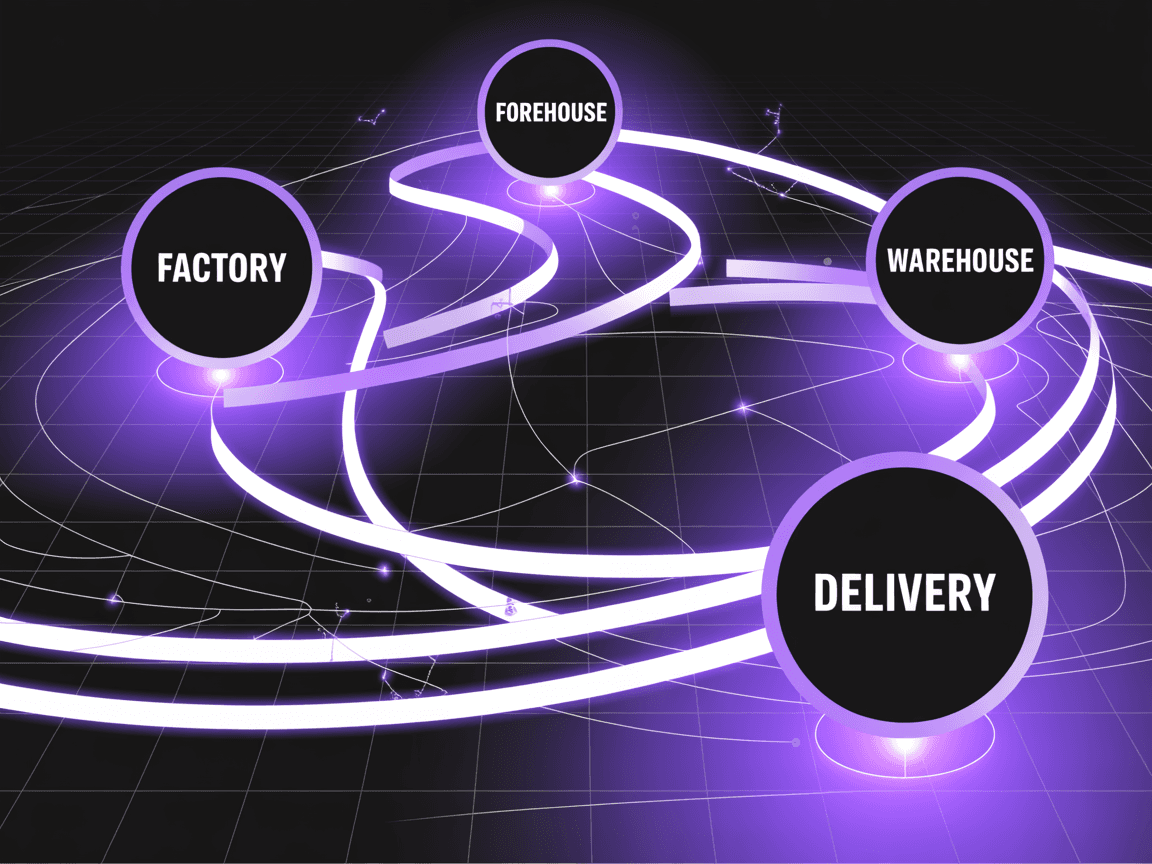
Die groesste technische Herausforderung beim Deployment von KI-Agenten auf dem Shopfloor ist nicht die KI -- es ist die Integration. Fertigungsumgebungen laufen auf Betriebstechnologie-(OT)-Stacks, die sich unabhaengig von Enterprise-IT-Systemen entwickelt haben und grundlegend verschiedene Sprachen sprechen. SPS kommunizieren ueber Profinet, EtherNet/IP oder Modbus TCP. SCADA-Systeme aggregieren Daten in proprietaeren Historians. MES-Systeme exponieren Funktionalitaet ueber SOAP-APIs oder kundenspezifische Datenbankschnittstellen. ERP-Systeme (typischerweise SAP) haben ihre eigenen Integrationsparadigmen. Einen KI-Agenten dazu zu bringen, ueber all diese Ebenen hinweg zu denken und zu handeln, erfordert eine sorgfaeltig konzipierte Konvergenzarchitektur.
Unsere OT/IT-Konvergenzarchitektur hat vier Schichten. Die Edge-Schicht sitzt am naechsten am Shopfloor -- industrielle Edge-Computing-Geraete (typischerweise gehaertete x86- oder ARM64-Systeme mit 16-32 GB RAM), die in jeder Produktionszelle oder Pruefstation eingesetzt werden. Diese Edge-Geraete fuehren leichtgewichtige Agentenmodule aus, die Echtzeit-Datenverarbeitung uebernehmen: Abtastung von Sensordaten mit nativen Raten (bis zu 100 kHz fuer Vibrationssensoren), Merkmalsextraktion, Ausfuehrung von Inferenzmodellen fuer zeitkritische Entscheidungen (Latenzanforderungen unter 100 ms) und Pufferung von Daten fuer die Upstream-Uebertragung. Wir verwenden OPC UA als primaeres Protokoll fuer die SPS-Kommunikation, mit Protokolladaptern fuer Legacy-Modbus- und Profinet-Geraete.
Die Integrationsschicht verbindet OT und IT ueber eine ereignisgesteuerte Architektur. Wir setzen Apache Kafka (oder Redpanda fuer ressourcenaeaermere Deployments) als zentralen Message-Bus ein, mit Konnektoren zu jeder Datenquelle: OPC-UA-Konnektor fuer SPS und SCADA, JDBC-Konnektor fuer MES-Datenbanken, RFC-Konnektor fuer SAP, REST-Konnektoren fuer Cloud-Dienste. Jedes Datenelement -- Sensormesswerte, Qualitaetsereignisse, Fertigungsauftraege, Wartungsprotokolle -- fliesst als strukturiertes Ereignis mit standardisierten Schemata durch den Message-Bus. Dieses Design entkoppelt die KI-Agenten von den spezifischen OT-Systemen, sodass Sie ein SCADA-System ersetzen oder eine SPS upgraden koennen, ohne die Agentenlogik zu aendern.
Die Agentenschicht ist der Ort, an dem Schlussfolgerung und Entscheidungsfindung stattfinden. Sie laeuft auf der On-Premise-Infrastruktur der Fabrik (oder einer Private Cloud fuer Mehrwerksbereitstellungen) und hostet die KI-Agenten-Laufzeitumgebung: die LLM-basierten Schlussfolgerungsengines, Tool-Integrationen, Speicher und das Orchestrierungs-Framework. Fuer Anforderungen an die Datensouveraenitaet -- die fuer die meisten deutschen Hersteller nicht verhandelbar sind -- deployen wir den gesamten Agentenstack innerhalb der Kundeninfrastruktur. Keine Produktionsdaten verlassen das Fabriknetzwerk. Die Modelle laufen lokal, die Vektordatenbanken fuer das Retrieval sind lokal, und die Agentenprotokolle werden in den Systemen des Kunden gespeichert.
Die Observability-Schicht bietet volle Transparenz ueber den Agentenbetrieb. Jede Agentenentscheidung wird protokolliert mit: den Eingabedaten, die die Entscheidung ausgeloest haben, der Schlussfolgerungskette, der ergriffenen Massnahme, dem beobachteten Ergebnis und der Latenz jedes Schrittes. Diese Daten fliessen in das AgentOps-Dashboard, das Werksleiter und Ingenieurteams nutzen, um die Agentenleistung zu ueberwachen, Verbesserungsmoeglichkeiten zu identifizieren und die Auditkonformitaet aufrechtzuerhalten. Wir instrumentieren Agenten typischerweise mit 40-60 benutzerdefinierten Metriken, die Entscheidungsgenauigkeit, Reaktionslatenz, Eskalationsraten und Business-Impact-KPIs abdecken.
Die Netzwerkarchitektur verdient besondere Aufmerksamkeit. Das OT-Netzwerk und das IT-Netzwerk bleiben physisch oder logisch segmentiert -- wir flachen die Netzwerkgrenze nie ab. Agent-Edge-Geraete sitzen in einer DMZ zwischen OT und IT, mit strikten Firewall-Regeln: Das Edge-Geraet kann von SPS lesen (OPC-UA-Client) und in den Message-Bus schreiben (Kafka-Producer), aber nichts kann Verbindungen vom IT-Netzwerk zurueck ins OT-Netzwerk initiieren. Diese Architektur erfuellt die industriellen Cybersicherheitsanforderungen nach IEC 62443 und hat bei jedem Kunden-Deployment die Sicherheitsaudits bestanden.
Fallstudie: 99,4 % Fehlererkennung fuer einen deutschen Automobilzulieferer
Ein Tier-1-Automobilzulieferer in Sueddeutschland -- der gestanzte und umgeformte Metallbauteile fuer drei grosse OEMs produziert -- trat mit einer Herausforderung in der Qualitaetspruefung an uns heran. Sein bestehendes Computer-Vision-System, das 2022 eingesetzt wurde, erreichte ueber seine drei Hochvolumen-Produktionslinien eine Fehlererkennungsrate von 94,2 %. Das klingt beeindruckend, bis man nachrechnet: Bei 200.000 Teilen pro Tag bedeutet eine Auslassquote von 5,8 %, dass taeglich 11.600 potenziell fehlerhafte Teile nachgelagerte Prozesse erreichen. Kundenqualitaetsbeschwerden lagen bei 47 PPM (Parts per Million) -- ueber dem OEM-Ziel von 25 PPM -- und stiegen mit zunehmendem Produktionsvolumen weiter an.
Die Grundursache war nicht das Computer-Vision-Modell selbst -- es war die Luecke zwischen Erkennung und Massnahme. Das CV-System markierte Fehler praezise fuer die Teiletypen, auf die es trainiert war, hatte aber drei kritische Einschraenkungen. Erstens konnte es neuartige Fehlertypen, die aus neuen Materialchargen oder Werkzeugwechseln entstanden, nicht verarbeiten -- rund 12 % der tatsaechlichen Fehler lagen ausserhalb seiner Trainingsverteilung. Zweitens hatte es keinen Mechanismus, um Fehler mit vorgelagerten Prozessparametern zu korrelieren, sodass dieselben Fehlermuster wiederkehrten, bis ein menschlicher Ingenieur die Grundursache manuell diagnostizierte (durchschnittliche Diagnosezeit: 4,2 Stunden). Drittens erzeugte es pro Schicht rund 340 Fehlalarme, die jeweils eine manuelle Ueberpruefung erforderten -- was 2,8 Bedienstunden pro Schicht an nicht wertschoepfender Inspektionsarbeit verbrauchte.
Wir haben ueber einen Zeitraum von 6 Wochen ein Drei-Agenten-Qualitaetspruefungssystem ueber alle drei Produktionslinien hinweg eingesetzt, gemaess unserem Standard-Implementierungs-Playbook. Der Wahrnehmungsagent ersetzte die bestehende CV-Inferenz-Pipeline durch ein verbessertes Vision-Transformer-Modell, feinabgestimmt auf die Fehlertaxonomie des Kunden und erweitert um eine Few-Shot-Learning-Faehigkeit fuer neuartige Fehlererkennung. Der Schlussfolgerungsagent integrierte sich mit dem Pressensteuerungssystem (Schuler-SPS ueber OPC UA), dem Material-Tracking-System (SAP QM) und der historischen Fehlerdatenbank (benutzerdefinierte PostgreSQL-Instanz mit 2,3 Millionen gelabelten Fehlerdatensaetzen). Der Ausfuehrungsagent verband sich mit der Pressen-SPS fuer Echtzeit-Parameteranpassung und dem MES (MPDV Hydra) fuer die Qualitaetsdokumentation.
Die Deployment-Architektur verwendete zwei Edge-Computing-Knoten pro Produktionslinie (einen fuer jede Pruefstation), verbunden mit der zentralen Agenten-Laufzeitumgebung ueber das industrielle Ethernet-Netzwerk der Fabrik. Gesamte Hardware-Investition: rund 42.000 Euro fuer Edge-Computing, Kameras und Netzwerkinfrastruktur ueber alle drei Linien. Softwarelizenzierung und Entwicklung: rund 185.000 Euro. Laufende AgentOps-Betreuung: 8.500 Euro pro Monat.
Die Ergebnisse nach 90 Tagen Produktivbetrieb waren signifikant. Die Fehlererkennungsrate verbesserte sich von 94,2 % auf 99,4 % -- eine Verbesserung um 5,2 Prozentpunkte, die sich in einer Reduktion von 11.600 auf 1.200 uebersehene Fehler pro Tag niederschlug. Kundenqualitaetsbeschwerden sanken von 47 PPM auf 8 PPM, deutlich unter das OEM-Ziel von 25 PPM. Die Fehlalarmrate sank um 67 %, von 340 pro Schicht auf 112 pro Schicht, was 1,9 Bedienstunden pro Schicht einsparte. Die Fehlerwiederholung -- dieselbe Grundursache, die denselben Fehlertyp mehr als einmal erzeugt -- sank um 73 %, da der Agent Grundursachen in Echtzeit identifizierte und korrigierte, statt auf menschliche Diagnose zu warten.
Die finanziellen Auswirkungen waren erheblich. Reduzierte Ausschusskosten: 340.000 Euro pro Jahr. Reduzierte Kundenreklamationsbearbeitung: 180.000 Euro pro Jahr. Reduzierter manueller Pruefaufwand: 95.000 Euro pro Jahr. Vermiedene OEM-Strafgebuehren (die aufgrund der PPM-Trends eskalierten): geschaetzt 420.000 Euro pro Jahr. Jaehrlicher Gesamtnutzen: rund 1.035.000 Euro gegenueber einer Erstjahres-Investition (Hardware + Software + AgentOps) von rund 329.000 Euro. Amortisationszeitraum: 3,8 Monate. Wenn Sie verstehen moechten, wie diese Zahlen in ein umfassenderes Total-Cost-of-Ownership-Modell passen, haben wir ein detailliertes Framework veroeffentlicht.
OEM-Standards und Industrie-4.0-Compliance
Das Deployment von KI-Agenten in der Automobilfertigung ist nicht nur eine Engineering-Herausforderung -- es ist eine Compliance-Herausforderung. Die Automobilindustrie arbeitet unter einigen der strengsten Qualitaetsmanagement-Standards aller Branchen, und KI-Agenten muessen diese Standards ebenso rigoros erfuellen wie jeder menschliche Bediener oder jedes automatisierte System, das sie ersetzen. Das ist nicht verhandelbar: Ein KI-Agent, der die Fehlererkennung um 5 % verbessert, aber ein IATF-16949-Audit nicht besteht, ist wertlos.
IATF 16949:2016 (der Qualitaetsmanagement-Standard der Automobilindustrie) verlangt, dass alle Prozesse, die die Produktqualitaet beeinflussen, gesteuert, ueberwacht und dokumentiert werden. Fuer KI-Agenten bedeutet das: Jede Qualitaetsentscheidung muss auf spezifische Eingabedaten zurueckfuehrbar sein; der Schlussfolgerungsprozess muss fuer die Auditpruefung ausreichend detailliert dokumentiert sein; von Agenten vorgenommene Parameteraenderungen muessen innerhalb validierter Regelgrenzen liegen; und jede Abweichung von Standardarbeitsanweisungen muss einen formalen Abweichungsprozess mit menschlicher Genehmigung ausloesen. Unsere Agenten erfuellen diese Anforderungen by Design -- die Schlussfolgerungskette, Eingabedaten, Konfidenzwerte und ergriffenen Massnahmen werden in einem unveraenderlichen Audit-Log gespeichert, das direkt in das Qualitaetsmanagementsystem des Kunden integriert wird.
Die Herausforderung ist subtiler als das blosse Protokollieren von Entscheidungen. IATF 16949 Abschnitt 8.5.1.1 verlangt, dass "die Organisation Lenkungsmassnahmen fuer die Steuerung der Produktion identifiziert und implementiert, um sicherzustellen, dass die Ergebnisse die Anforderungen erfuellen." Wenn ein KI-Agent einen Pressenparameter anpasst, muss diese Anpassung als innerhalb des Prozesslenkungsplans validiert werden. Wir implementieren dies, indem wir die Lenkungsplan-Grenzen direkt in die Guardrails des Agenten codieren -- der Agent kann buchstaeblich keine Anpassung vornehmen, die den Lenkungsplan verletzt. Wenn die Schlussfolgerung des Agenten eine Anpassung ausserhalb der Lenkungsplan-Grenzen nahelegt, eskaliert er an den Prozessingenieur mit einem Vorschlag zur Aenderung des Lenkungsplans.
VDA 6.3 (der Prozessaudit-Standard der deutschen Automobilindustrie) fuegt eine weitere Ebene hinzu. Er verlangt, dass Prozesskontrollen "wirksam und angemessen" sind -- was bedeutet, nicht nur dass der Agent korrekte Entscheidungen trifft, sondern dass sein Entscheidungsprozess geprueft und als fundiert bewertet werden kann. Wir adressieren dies mit dem, was wir einen "Audit-Modus" nennen -- eine Agentenfaehigkeit, die jede historische Entscheidung mit voller Transparenz wiedergeben kann: Hier sind die Eingabedaten, hier ist die Schlussfolgerungskette, hier ist der Grund, warum diese Massnahme gegenueber Alternativen gewaehlt wurde, und hier ist das Ergebnis. Bei VDA-6.3-Audits bei unseren Kundenstandorten haben Auditoren Agentenentscheidungen mit dieser Faehigkeit ueberprueft und festgestellt, dass sie gruendlicher dokumentiert sind als vergleichbare menschliche Entscheidungen.
ISO 9001:2015-Anforderungen bezueglich dokumentierter Informationen und Managementbewertung werden naturgemaess durch die Protokollierungs- und Berichtsinfrastruktur des Agenten erfuellt. Der Agent generiert monatliche Qualitaetsleistungsberichte, die direkt in den Managementbewertungsprozess einfliessen, einschliesslich Trendanalysen, Grundursachenverteilungen und Verbesserungsempfehlungen. Diese Berichte werden automatisch erstellt -- kein menschlicher Analyst muss Daten aus mehreren Systemen zusammenstellen.
Die KI-Verordnung der EU (EU AI Act) fuegt ab 2026 eine neue Compliance-Dimension hinzu. KI-Systeme, die in sicherheitskritischen Fertigungsprozessen eingesetzt werden, koennen unter der Verordnung als "hochriskant" eingestuft werden, was Konformitaetsbewertungen, technische Dokumentation, Bestimmungen zur menschlichen Aufsicht und laufende Ueberwachung erfordert. Unser Governance-Framework ist speziell fuer dieses regulatorische Umfeld konzipiert und stellt sicher, dass KI-Agenten in der Fertigung alle Anforderungen der KI-Verordnung von Anfang an erfuellen. Dies umfasst die Aufrechterhaltung eines Risikomanagementsystems, die Sicherstellung von Datenqualitaet und -governance, die Bereitstellung von Transparenzdokumentation und die Implementierung von menschlichen Aufsichtsmechanismen, die den Anforderungen von Artikel 14 genuegen.
Fuer Hersteller, die sich Sorgen um die Auswirkungen auf die Zertifizierung machen, sind die Erkenntnisse aus unseren Deployments ermutigend. Zwei unserer Automobilkunden haben seit der Bereitstellung von KI-Agenten IATF-16949-Ueberwachungsaudits durchlaufen, und beide haben ohne Abweichungen im Zusammenhang mit den KI-Systemen bestanden. Ein Auditor bemerkte, dass die Entscheidungsdokumentation des Agenten "deutlich vollstaendiger und konsistenter als manuelle Qualitaetsaufzeichnungen" sei. Compliance ist kein Hindernis fuer die Einfuehrung von KI-Agenten in der Fertigung -- bei korrekter Implementierung ist sie ein Beschleuniger.
ROI-Modell: Renditeberechnung fuer KI-Agenten in der Fertigung
Fertigungsleiter brauchen belastbare Zahlen, bevor sie sich fuer KI-Agenten-Deployments entscheiden. Bauchgefuehl und Anbieterversprechen ueberstehen keine Budgetpruefung beim CFO. Hier ist das ROI-Modell, das wir mit unseren Kunden verwenden, aufgeschluesselt nach den drei primaeren Werttreibern: Qualitaetsverbesserung, Stillstandsreduktion und Supply-Chain-Effizienz.
Wert der Qualitaetsverbesserung wird berechnet als: (Reduktion der Fehlerquote) x (Produktionsvolumen) x (durchschnittliche Kosten pro fehlerhaftem Teil). Die durchschnittlichen Kosten pro fehlerhaftem Teil variieren enorm je nach Branchensegment -- von 2-5 Euro fuer einfache Stanzteile bis 200-500 Euro fuer bearbeitete Praezisionsteile -- aber die Berechnungsmethodik ist konsistent. Nach unserer Erfahrung reduzieren KI-Qualitaetsinspektionsagenten die Fehlerauslassquoten um 50-85 %, wobei das Ausmass von der Komplexitaet der Fehlertaxonomie und der Reife des bestehenden Inspektionsprozesses abhaengt. Fuer einen Hersteller, der 200.000 Teile pro Tag mit einer Fehlerauslassquote von 5,8 % und durchschnittlichen Fehlerkosten von 8 Euro produziert, ergibt eine 85%ige Reduktion der Auslassungen: 200.000 x 0,058 x 0,85 x 8 = 78.880 Euro pro Tag, oder rund 19,7 Millionen Euro pro Jahr. Selbst konservative Schaetzungen (50 % Reduktion, niedrigere Fehlerkosten) ergeben typischerweise 3-8 Millionen Euro an jaehrlichen Qualitaetseinsparungen.
Wert der Stillstandsreduktion wird berechnet als: (reduzierte Stunden ungeplanter Stillstaende) x (Kosten pro Stunde Stillstand). Stillstandskosten in der Automobilfertigung liegen je nach Produktionslinie und Produktwert zwischen 15.000 und 50.000 Euro pro Stunde. Agenten fuer vorausschauende Wartung reduzieren ungeplante Stillstaende typischerweise um 38-52 %. Fuer ein Werk mit 180 Stunden ungeplanten Stillstaenden pro Jahr (eine konservative Zahl fuer einen Mehrlinienbetrieb) bei 22.000 Euro pro Stunde ergibt eine 45%ige Reduktion: 180 x 0,45 x 22.000 = 1.782.000 Euro pro Jahr. Addiert man dazu die Wartungskosteneinsparungen (18-24 % Reduktion der Gesamtwartungsausgaben) und die Verlaengerung der Anlagenlebensdauer (18-25 %), rechtfertigt allein der Wartungs-Wertbeitrag oft die gesamte Investition.
Wert der Supply-Chain-Effizienz ist am schwierigsten praezise zu quantifizieren, aber oft der groesste. Er umfasst: reduzierte Fehlbestaende (Verhinderung von Umsatzverlusten), niedrigere Lagerkosten (typischerweise 15-25 % des Bestandswerts jaehrlich), Frachtkostenreduktion (12-18 % durch bessere Konsolidierung) und reduzierte Beschleunigungskosten (Eilsendungen, Premiumfracht). Fuer einen mittelstaendischen Hersteller mit 30 Millionen Euro jaehrlichem Materialaufwand und 8 Millionen Euro Bestand liegt der Supply-Chain-Wert typischerweise bei 1,5 bis 3,5 Millionen Euro pro Jahr.
Gesamtinvestition fuer ein umfassendes KI-Agenten-Deployment in der Fertigung (Qualitaet + Wartung + Supply Chain) in einem einzelnen Werk liegt typischerweise bei 350.000 bis 750.000 Euro im ersten Jahr. Dies umfasst: Edge-Computing-Hardware (40.000-80.000 Euro), Softwareentwicklung und -integration (150.000-350.000 Euro), Datenpipeline-Engineering (50.000-120.000 Euro), Schulung und Change Management (30.000-60.000 Euro) sowie laufende AgentOps (80.000-140.000 Euro pro Jahr). Fuer weitere Details zur Kostenstrukturierung siehe unsere umfassende TCO-Analyse.
Alles zusammengenommen: Ein typischer mittelstaendischer Automobilzulieferer, der KI-Agenten fuer Qualitaet, Wartung und Supply Chain einsetzt, kann jaehrliche Vorteile von 5-15 Millionen Euro erwarten, bei einer Erstjahres-Investition von 350.000-750.000 Euro. Die Amortisationszeit liegt zwischen 8-14 Monaten fuer fokussierte Deployments (einzelner Anwendungsfall, 1-2 Produktionslinien) und 4-8 Monaten fuer umfassende Deployments, bei denen die fixen Infrastrukturkosten ueber mehrere Anwendungsfaelle amortisiert werden.
Wenn Ihnen diese Zahlen aggressiv erscheinen, bedenken Sie: Die Kosten des Nicht-Deployens von KI-Agenten sind ebenfalls quantifizierbar. Jeder Monat Verzoegerung ist ein weiterer Monat vermeidbarer Fehler, die Kunden erreichen, ungeplanter Stillstaende, die die Produktion stoeren, und Supply-Chain-Ineffizienzen, die Margen erodierten. In einem Sektor, in dem OEMs die Zulieferermargen jaehrlich um 2-3 % druecken, sind KI-Agenten zunehmend kein Wettbewerbsvorteil, sondern eine Wettbewerbsanforderung. Bereit, die Zahlen fuer Ihren spezifischen Betrieb zu modellieren? Kontaktieren Sie uns fuer eine kostenlose ROI-Bewertung.